


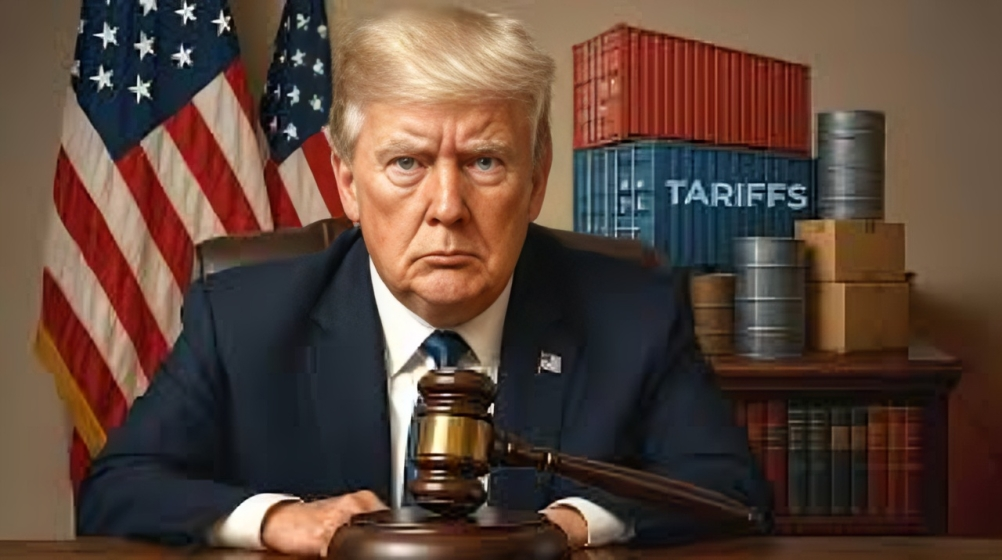
US President Donald Trump has stated that the United States is “not looking for leverage” in its ongoing negotiations over tariff rates with various countries. Speaking to reporters in Pennsylvania on August 3, Trump emphasized that his goal is fairness in trade agreements, not using tariffs as a bargaining chip. His comments come amid active negotiations with multiple countries, including India, on which he has currently imposed a 25% blanket tariff.
A Push for Reciprocal Trade
Trump said the United States wants to implement reciprocal tariffs “wherever we can,” meaning that if another country charges a certain percentage tariff on American goods, the US would respond with an equal rate on that country’s goods. He believes such a system would bring balance to global trade.
While Trump admitted that fully matching tariff rates may not be possible with every country, he stressed that the principle of fairness would guide his administration’s trade policies. According to him, his tariff measures could “bring in hundreds of billions of dollars” into the US economy, strengthening domestic industries and reducing dependency on foreign markets.
India-US Trade Talks
One of the key ongoing negotiations is with India, a country that has seen a 25% blanket tariff imposed by the US under Trump’s administration. The president has been critical of India’s trade relations with Russia, referring to both countries as having “dead economies.”
Despite the tough rhetoric, a sixth round of trade talks between India and the US is scheduled for August, when an American delegation will visit New Delhi. Reports indicate that both nations are working towards an early trade agreement by the end of the month, adhering strictly to the framework established in March. This is despite the political back-and-forth that often characterizes such negotiations.
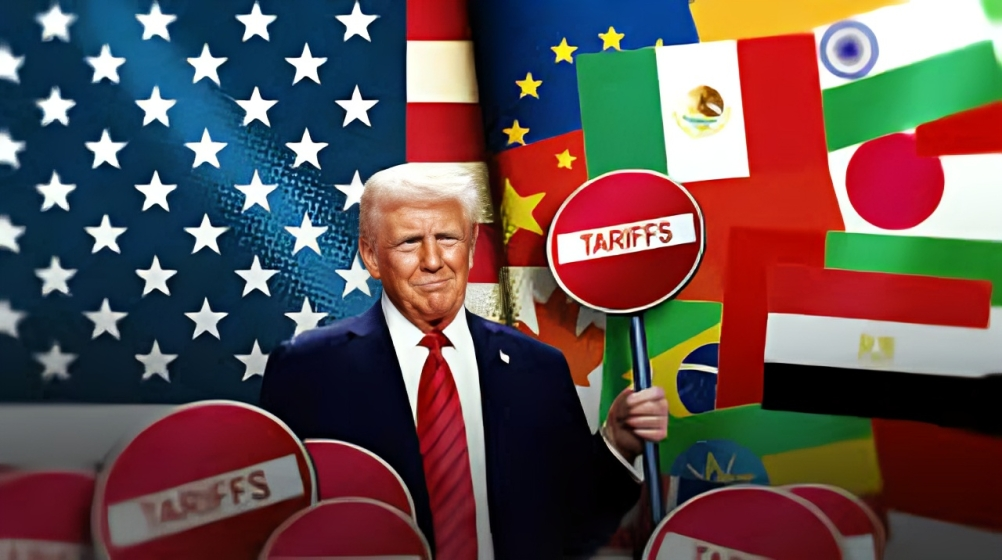
Some analysts believe the 25% levy on Indian goods could be a strategic move by Trump to strengthen his position at the negotiation table. However, officials have denied any changes to the list of US goods exempted from Indian tariffs, signaling stability in certain trade segments.
A Global Approach to Tariffs
Trump’s comments did not single out any particular country, but his administration’s broader strategy reflects an attempt to reshape the existing trade system. Traditionally, developing countries have maintained higher import tariffs on goods from wealthier nations like the US to protect domestic industries. At the same time, these countries enjoy lower tariffs when exporting their products to developed markets.
Trump argues that this arrangement puts American manufacturers at a disadvantage, as foreign goods produced at lower costs flood US markets, outpricing local products. He has often cited China as an example of a country whose low-cost manufacturing undercuts American businesses.
The Impact of the Tariff Policy
The president’s stance has drawn mixed reactions. Supporters argue that reciprocal tariffs will level the playing field for American workers and industries, encouraging domestic production and job creation. They believe the inflow of tariff revenue could be reinvested into infrastructure, technology, and innovation in the US economy.
Critics, however, warn that high tariffs could lead to trade wars, increasing prices for consumers and straining diplomatic relations. They also point out that retaliatory tariffs from other countries could harm American exporters, particularly in agriculture and manufacturing sectors that rely heavily on foreign markets.
Tamannaah Bhatia Breaks Silence on Dating and Marriage Rumours with Virat Kohli, Abdul Razzaq