


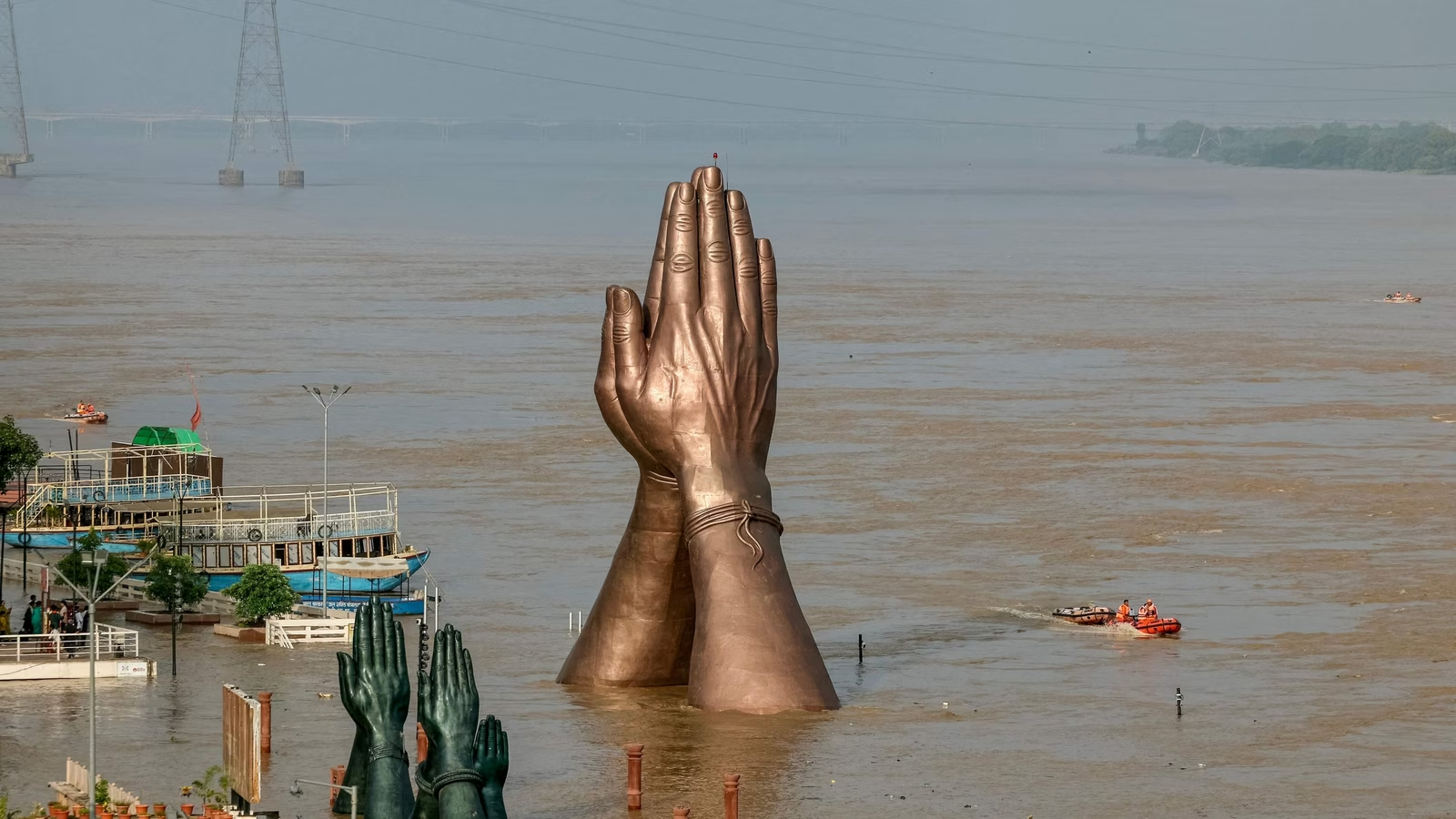
As the monsoon tightens its grip on North India, Varanasi—Prime Minister Narendra Modi’s parliamentary constituency—is facing the brunt of heavy rainfall. The water level of the Ganga River has risen alarmingly, submerging the famous Namo Ghat and causing widespread concern among locals and authorities alike.
Rising Ganga River Triggers Flooding
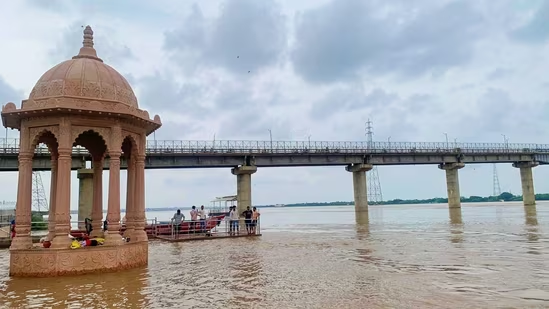
According to the Central Water Commission (CWC), the water level of the Ganga has surged significantly over the last few days, crossing the danger mark in several areas. The Namo Ghat, known for its spiritual significance and modern beautification under the Smart City project, is now completely waterlogged. Stairs leading to the river are submerged, and the flow has reached adjoining pathways.
Visual Impact at Namo Ghat
What was once a serene and photogenic destination for pilgrims and tourists has turned into a submerged zone. Decorative lamp posts, benches, and selfie points are now underwater. Boats are moored haphazardly, and local businesses operating near the ghat have either suspended operations or shifted to higher ground.
Residents expressed shock at the speed of the flooding, saying it happened overnight. Some described it as the worst monsoon swelling of the Ganga in the past five years.
Safety Measures & Administration Response
Authorities have initiated preventive action:
- Barricading and Alerts: Police have restricted movement along submerged areas of the ghat. Announcements are being made continuously to warn people against venturing near the river.
- Evacuations: Local authorities have started relocating people from low-lying areas near the ghats, especially in Rajghat, Assi, and Dashashwamedh.
- Monitoring Stations: The District Administration and Irrigation Department are keeping 24×7 watch with monitoring stations equipped with sensors for water-level alerts.
District Magistrate S. Rajalingam has said that “all arrangements are in place to deal with the situation,” and rescue teams, including NDRF and SDRF, have been put on standby.
Spiritual and Cultural Activities Disrupted
With the river in spate, routine religious rituals have been affected. Morning aartis and evening prayers, which usually see large gatherings at the ghat, are being held at alternate, safer locations. Priests and organizers are urging devotees to avoid ghats for the time being.
Tourism and Local Business Hit
Varanasi, a major tourist hub, especially during Sawan and Shravan months, is seeing cancellations in bookings. Boatmen, vendors, and souvenir sellers are bearing the brunt, with their livelihoods stalled due to waterlogging and safety issues.
A boatman, Vishwanath Yadav, lamented, “Yeh toh har saal hota hai, par is baar Ganga maa kuch zyada hi rooth gayi hain.”
Climate Concerns and Monsoon Trends
Experts point out that such rapid and intense monsoon-induced flooding is a growing trend due to climate change. Unpredictable rainfall patterns, excessive upstream water discharge, and encroachment along floodplains worsen the situation every year.
The India Meteorological Department (IMD) has forecast continued heavy to very heavy rainfall in eastern Uttar Pradesh for the next 48 hours, further aggravating flood risks.
As Varanasi grapples with the rising Ganga, the situation at Namo Ghat serves as a reminder of the fragile balance between urban development and natural forces. While authorities are taking preventive steps, citizens are urged to remain cautious and follow safety protocols.
Flooding of spiritual hubs like Namo Ghat is more than just a weather update—it’s a disruption of tradition, faith, and daily life in one of India’s oldest living cities.
स्कॉटलैंड में गर्मियों के दुर्लभ तूफान की तबाही