


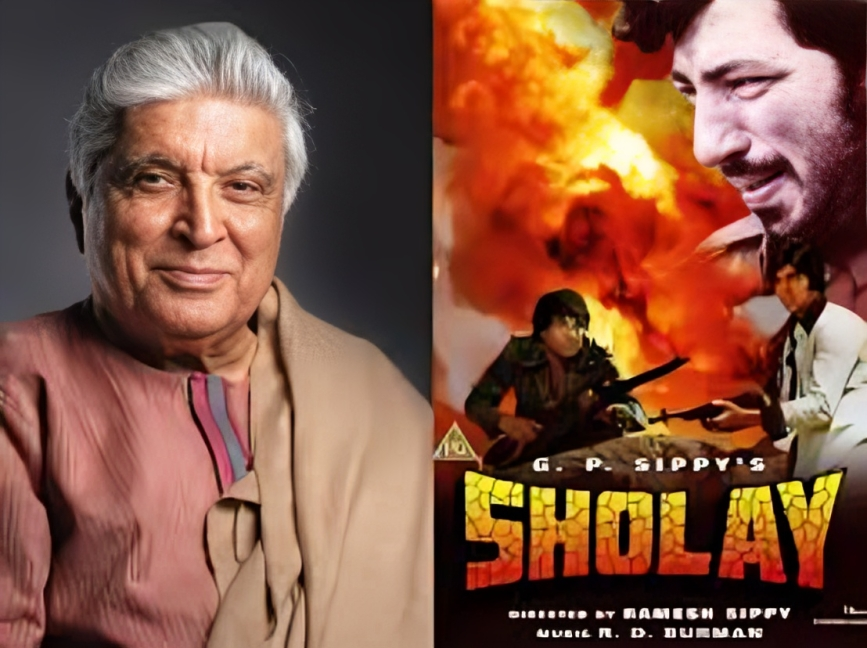
Few films in Indian cinema have etched themselves into the nation’s collective memory quite like Sholay. Released on August 15, 1975, this epic action-adventure directed by Ramesh Sippy continues to dominate pop culture conversations even five decades later. As the film approaches its 50th anniversary, legendary writer Javed Akhtar—who co-wrote Sholay with Salim Khan—has offered a refreshingly honest take on why the film’s magic endures and how even its smallest characters remain unforgettable. Interestingly, Akhtar also acknowledged that not everyone considers Sholay a great film, adding a thoughtful twist to the conversation about cinematic legacy.
The Mixed Reactions to Sholay’s Greatness
While Sholay is widely regarded as a landmark in Indian cinema, Javed Akhtar admits he has come across opinions that question its greatness. “There are some people, I have heard on YouTube, who say that Sholay is not a great film. Maybe it is not, and I have no idea what the definition of a great film is,” Akhtar remarked.
This candid statement is striking because it shows the humility of one of Hindi cinema’s most celebrated writers. Rather than defend the film aggressively, Akhtar leaves room for interpretation, recognizing that art can be subjective. For him, the film’s impact speaks louder than debates over labels.
The Magic of Minor Characters
One of the most fascinating aspects of Sholay is how even its minor characters have become cultural icons. Akhtar expressed his amazement at this phenomenon, saying, “Even today, a minor character from Sholay, who has uttered three words, or who just stood there, is used in stand-up comedies. He is referred to in other films’ dialogues. He has even become the reference in political speeches.”
Iconic lines like “Tera kya hoga, Kaliya,” “Arre o Samba,” and “Poore pachaas hazaar” have transcended the film, becoming part of everyday language in India. Even a casual mention of “mausi” instantly triggers recognition of Sholay’s beloved “mausi scene.” This kind of lasting imprint from supporting characters is rare, not just in Indian cinema but globally.
Why Sholay Resonates Across Generations
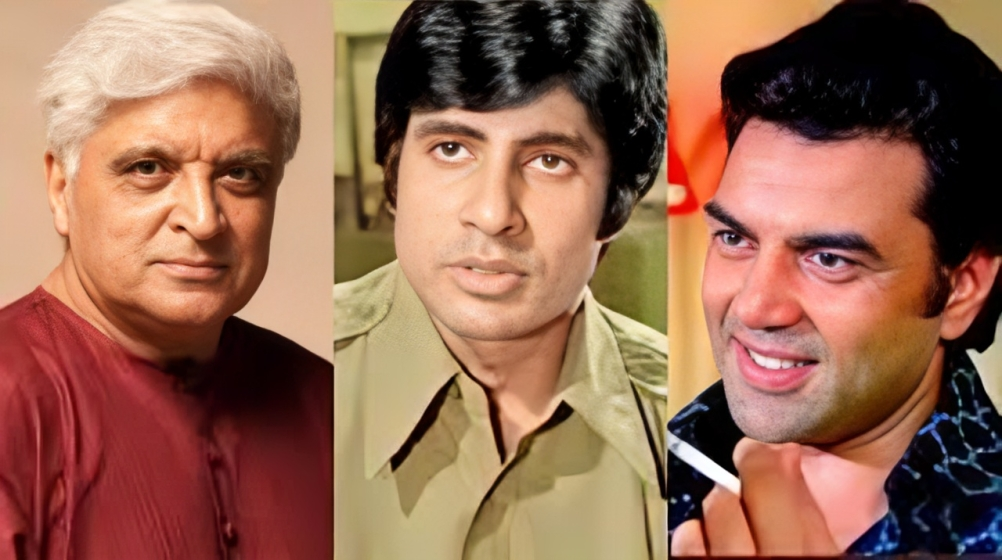
The staying power of Sholay lies in a perfect blend of action, drama, romance, and humor—elements that appeal to audiences of all ages. Dharmendra’s playful charm as Veeru, Amitabh Bachchan’s understated intensity as Jai, Amjad Khan’s chilling yet charismatic Gabbar Singh, Hema Malini’s effervescent Basanti, and Sanjeev Kumar’s stoic Thakur Baldev Singh created a cinematic world that felt both larger-than-life and deeply relatable.
Beyond the main characters, the world-building in Sholay gave even the smallest roles significance. These carefully crafted moments allowed side characters to shine, adding richness to the narrative tapestry.
A Landmark in Indian Cinema History
Upon its release in 1975, Sholay was more than just a blockbuster—it was a cultural event. The film redefined the action genre in Bollywood, introduced technical innovations like 70mm widescreen projection with stereophonic sound, and set new benchmarks for storytelling.
Its mix of Western-inspired action sequences with deeply rooted Indian emotional drama gave it a universal yet distinctly local flavor. Over time, the film became a reference point for countless filmmakers and a subject of academic study in cinema courses.
The Enduring Pop Culture Influence
Today, Sholay continues to inspire memes, political punchlines, television spoofs, and film homages. Stand-up comedians still draw laughs with Sholay references, and Bollywood’s newer generation often nods to the film in their scripts and dialogues. Even international cinema enthusiasts recognize Sholay as a quintessential example of India’s masala film tradition.
Akhtar’s observation about the minor characters being remembered decades later underlines the film’s deep cultural penetration—something few movies achieve. This is not just nostalgia; it’s a testament to storytelling that resonates beyond its original era.
Looking Ahead: The 50th Anniversary Celebration
As Sholay turns 50 on August 15, 2025, discussions about its legacy are bound to intensify. Will there be special screenings, digital restorations, or tribute events? While the industry prepares to honor the milestone, Akhtar’s reflections serve as a reminder that the film’s greatest achievement may not lie in awards or rankings, but in its enduring presence in India’s social and cultural fabric.
Javed Akhtar’s reflections on Sholay offer both humility and insight. Whether or not one considers it the “greatest” Indian film, there is no denying that its characters—major and minor alike—have achieved a rare kind of immortality. Half a century later, Sholay is not just a film; it is a living piece of India’s storytelling heritage.
Complaint Filed Against Tejashwi Yadav Over Alleged Two Voter Cards in Patna