


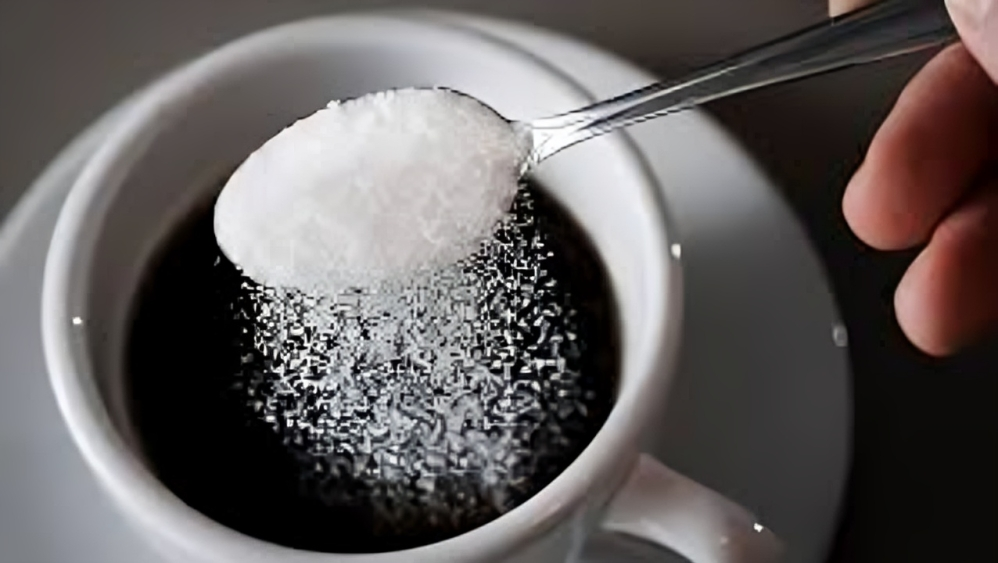
Title: Sucralose May Weaken Cancer Treatments: New Research Uncovers Shocking Link
Meta Description: A new study reveals sucralose, a common artificial sweetener, may reduce the effectiveness of cancer treatments like immunotherapy. Learn the science, risks, and possible solutions.
Artificial sweeteners are often considered safe and healthy alternatives to sugar, especially for those aiming to manage weight or diabetes. Among them, sucralose—commercially known as Splenda—is widely consumed across the globe. However, new research from the University of Pittsburgh and UPMC Hillman Cancer Centre has uncovered a disturbing connection between sucralose consumption and reduced effectiveness of cancer treatments, especially immunotherapy.
This article explores the scientific findings, implications for cancer patients, and potential solutions that could change the dietary guidelines for those undergoing cancer treatment.
What is Sucralose?
Sucralose is a zero-calorie artificial sweetener that is about 600 times sweeter than sugar. It is not metabolized by the body, which means it passes through the digestive system without being broken down for energy. This has made it a go-to sweetener in:
- Diet sodas
- Sugar-free chewing gums
- Protein powders
- Low-calorie desserts
- Health supplements
It’s especially popular among individuals looking to reduce calorie intake or control blood sugar levels, such as diabetics and those following ketogenic diets.
The Study: Sucralose May Interfere with Cancer Treatment
The recent study from UPMC Hillman Cancer Centre used mouse models to examine how sucralose affects the body’s immune response during cancer treatment. It found alarming evidence that sucralose may disrupt immunotherapy outcomes—particularly in cases of melanoma and non-small cell lung cancer.
Key Findings:
- Mice fed with sucralose had worse survival outcomes when given immunotherapy drugs.
- The effect was traced back to changes in the gut microbiome—the trillions of bacteria that reside in the human digestive tract.
- Sucralose altered the composition of gut bacteria, causing a reduction in the amino acid arginine, which is vital for immune system function.
- Lower arginine levels led to dysfunctional T cells, thereby weakening the immune response against tumors.
Why Arginine Matters in Cancer Treatment
Arginine is a semi-essential amino acid that plays a crucial role in supporting:
- T-cell function
- Nitric oxide production (important for blood flow and immune signaling)
- Wound healing
- Detoxification of ammonia
During immunotherapy, which relies heavily on the body’s immune system to attack cancer cells, T-cells must remain highly functional. But when arginine is depleted, their performance drops, making treatments less effective.
Dr. Abby Overacre, lead author and assistant professor at the University of Pittsburgh, stated:
“When arginine levels were depleted due to sucralose-driven shifts in the microbiome, T cells couldn’t function properly. As a result, immunotherapy wasn’t as effective in mice that were fed sucralose.”
How Sucralose Affects the Gut Microbiome
The gut microbiome is a critical part of our immune system. Sucralose seems to:
- Promote the growth of bacteria that degrade arginine.
- Alter the balance of beneficial and harmful microbes.
- Cause systemic metabolic changes that interfere with immune-based therapies.
Previous studies have also shown sucralose can reduce beneficial bacteria like Lactobacillus and Bifidobacteria, further undermining gut and immune health.
Can the Damage Be Reversed?
Interestingly, the researchers found that supplementing with arginine could counteract sucralose’s negative effects.
“Arginine supplementation restored T-cell function and improved the effectiveness of immunotherapy in mice,” said Dr. Overacre.
This finding opens up the possibility of nutritional interventions that do not require patients to eliminate sucralose entirely from their diet.
What Does This Mean for Cancer Patients?
For those undergoing immunotherapy, particularly for melanoma or lung cancer, this study raises important questions about dietary habits. While no direct human trials have been conducted yet, the mechanism is biologically plausible and could hold serious implications.

Practical Takeaways:
- Patients on immunotherapy should consult their oncologist or a clinical nutritionist about their intake of artificial sweeteners.
- Complete avoidance may not be necessary, but moderation is key.
- Arginine-rich supplements or foods (nuts, seeds, meats, lentils) might be explored as part of treatment protocols.
- Medical professionals may need to screen patients’ diets more thoroughly during cancer treatment.
Diet vs. Disease: A Balancing Act
Dr. Overacre acknowledged the difficulty in asking cancer patients to completely change their diets:
“It’s easy to say, ‘Stop drinking diet soda,’ but when patients are being treated for cancer, they are already dealing with enough.”
That’s why the research team is excited about arginine supplementation as a low-burden solution that could support immune response without adding stress to a patient’s daily routine.
Ramdas Soren Brain Injury: 5 Big Updates & Emergency Action